
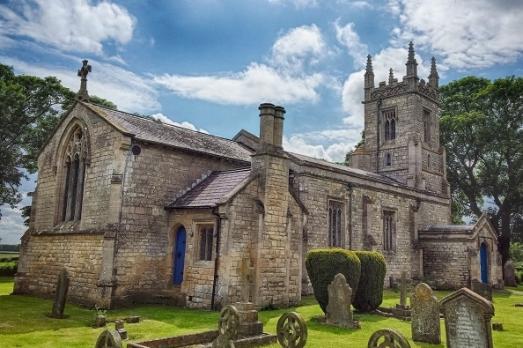
St Peter
Stixwould, Lincolnshire | LN10 5HP
The present church was built in 1830/31 on the same site as one dating from the middle 15th century, with interesting treasures are waiting to be found within.
Search for a fascinating place to visit, or see the variety of churches, chapels and meeting houses we have supported.
Stixwould, Lincolnshire | LN10 5HP
The present church was built in 1830/31 on the same site as one dating from the middle 15th century, with interesting treasures are waiting to be found within.
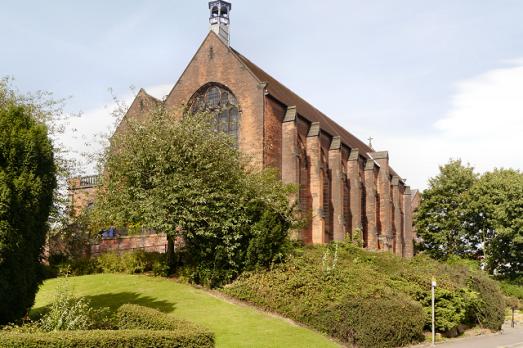
Rochdale, Greater Manchester | OL16 1DZ
St Mary in the Baum, on St Mary's Gate, was founded in 1740 as a chapel of ease to minister to the people living north of the River Roch.
We have supported this church
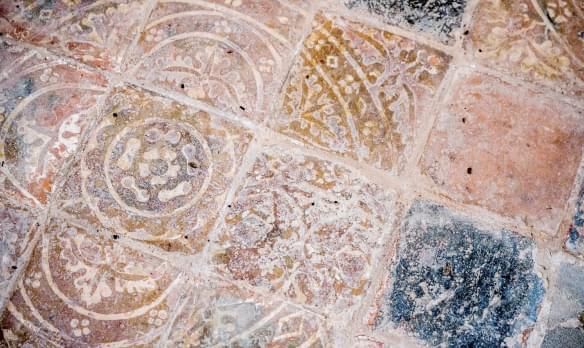
Gainsborough, Lincolnshire | DN21 2BE
A touchingly simple building dating from 1704, with a few later additions, it remains simple but with a powerful feeling of history, of prayer and of silence.
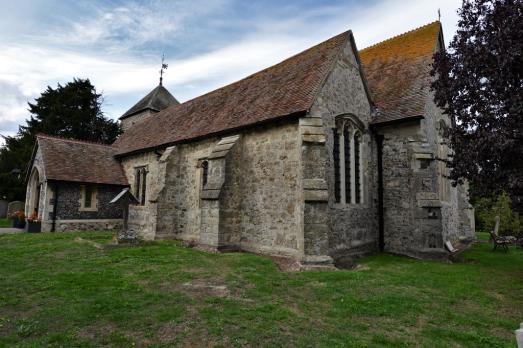
Iwade, Kent | ME9 8SJ
The parish church to the original Iwade village, All Saints is a beautiful ancient building that stands on the site of a pre-Norman chapel.
Sprotbrough, Yorkshire | DN5 7RF
Sprotbrough is a Domesday Book village.
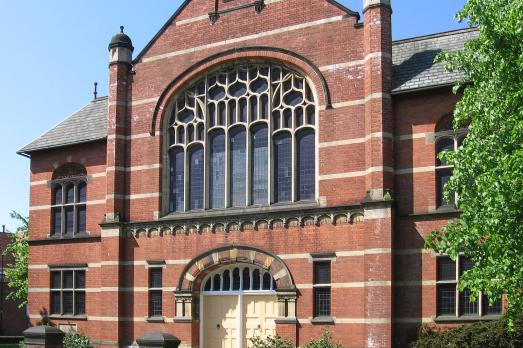
Gainsborough, Lincolnshire | DN21 2JR
The church was built in 1897 as a memorial to John Robinson who was known as the 'pastor to the Pilgrim Fathers'.
Gainsborough, Lincolnshire | DN21 2AX
A Grade II listed church built in 1866 with an adjoining presbytery.
Rochdale, Lancashire | OL12 6QF
Regarded as one of the finest but least known gems of ecclesiastical architecture in the country, it is a Gothic gem set in a diamond.
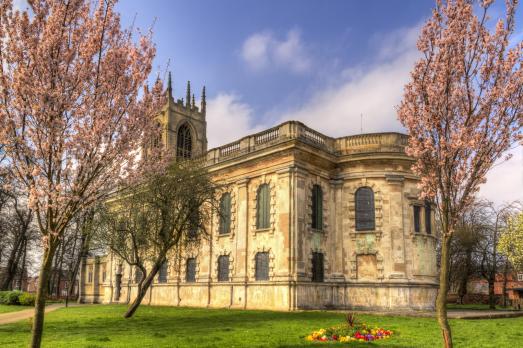
Gainsborough, Lincolnshire | DN21 2JR
A very different Georgian style church with medieval tower and a magnificent interior, the altar piece is a copy of the Da Vinci painting of the Last Supper.
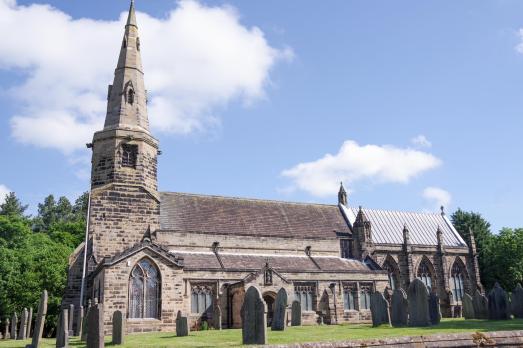
Halsall, Lancashire | L39 8RG
A medieval 700 year old parish church containing decorated and perpendicular styles and much pre Reformation fabric.
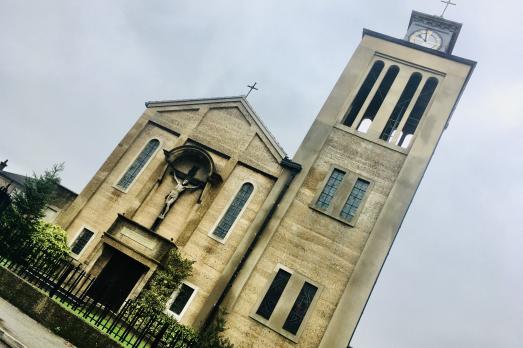
Goldthorpe, Yorkshire | S63 9JY
The church was built by the 2nd Viscount Halifax, keen to inspire the local community and encourage their spiritual wellbeing.
Bury St Edmunds, Suffolk | IP33 1NR
As the oldest non conformist church in Bury St Edmunds and one of the oldest in England, the bricks and mortar of this building have born witness to over 350 years of history.