
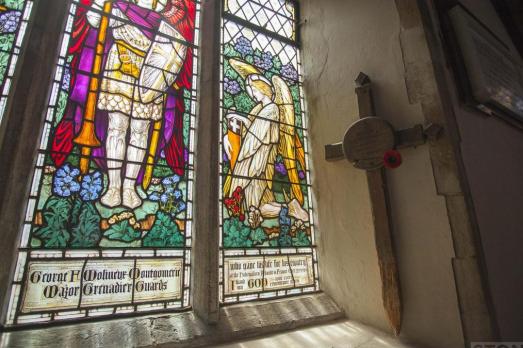
St John the Baptist
Garboldisham, Norfolk | IP22 2SE
Discover the beautiful church of St John the Baptist, with its medieval origins and beautiful Victorian restoration, including installing some stunning tracery and stained glass.
Search for a fascinating place to visit, or see the variety of churches, chapels and meeting houses we have supported.
Garboldisham, Norfolk | IP22 2SE
Discover the beautiful church of St John the Baptist, with its medieval origins and beautiful Victorian restoration, including installing some stunning tracery and stained glass.
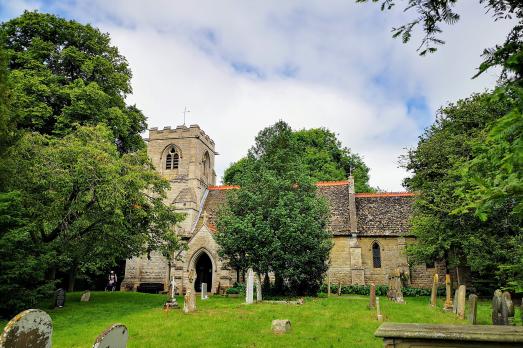
Gunby, Lincolnshire | PE23 5SL
In a leafy glade close to the grounds of Gunby Hall, this delightful church contains many memorials to the Massingberd family, once owners of Gunby.
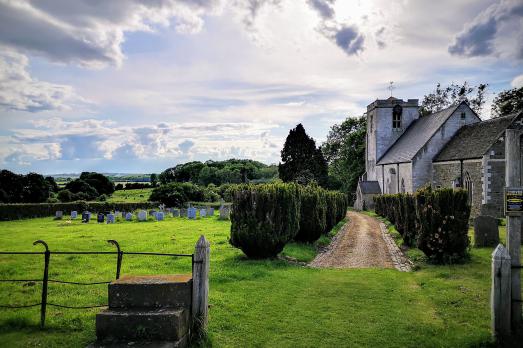
Skendleby, Lincolnshire | PE23 4QE
Listed in the Domesday survey of 1086, when the profits of the church went to Bardney Abbey as part of its great estates.
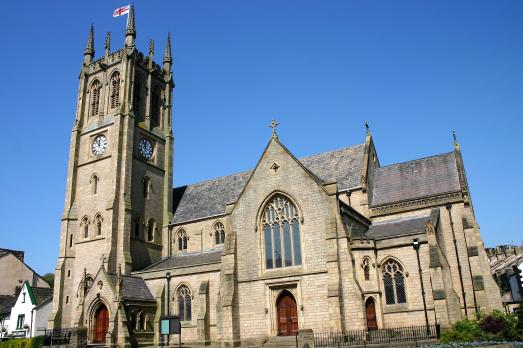
Padiham, Lancashire | BB12 8HG
An imposing Grade II listed building of modern gothic design with much history, offering a warm welcome to its many visitors.
We have supported this church
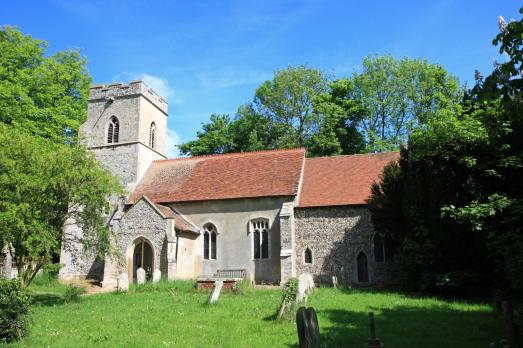
Creeting St Peter, Suffolk | IP6 8QJ
The people of Creeting St Peter have worshipped at this church for over 900 years.
We have supported this church
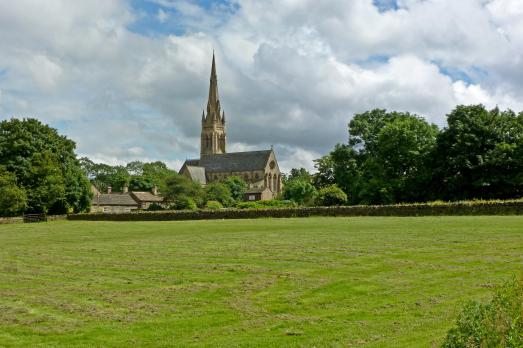
Little Horton, Yorkshire | BD5 0NG
All Saints 200' spire dominates the Bradford skyline, close to the city centre, a Grade 2* Victorian church.
We have supported this church
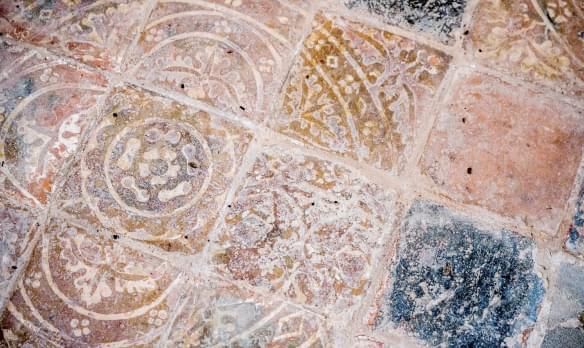
Snave, Kent | TN26 2QJ
This little church was declared redundant in 1983, but was saved from secular use by the Romney Marsh Historic Churches Trust, which now maintains it.
East Harling, Norfolk | NR16 2NB
The first thing the visitor will notice about East Harling's church is the very distinctive pinnacled wooden and lead cased spirelet, or fleche, crowning the tower.
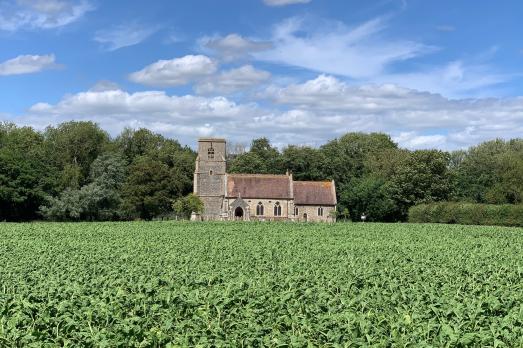
Larling, Norfolk | NR16 2QZ
A 12th century rural church situated on farmland in the heart of Norfolk.
Withcall, Lincolnshire | LN11 9RL
Nestled within a secluded fold of the Lincolnshire Wolds, offering beautiful views of surrounding farmland.
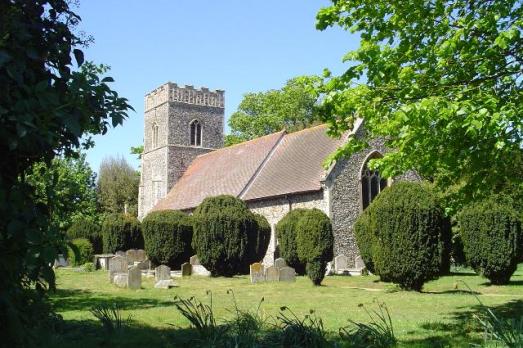
Bentley, Suffolk | IP9 2DA
A 12th century church, located down a leafy lane, a short journey from the centre of the village and just 5 miles from the heart of Constable Country.
We have supported this church
St Breoke, Cornwall | PL27 7JS
The church is situated alongside a stream in the picturesque and secluded valley of Nansent in the hamlet of St Breock, about a mile west of Wadebridge town centre.