
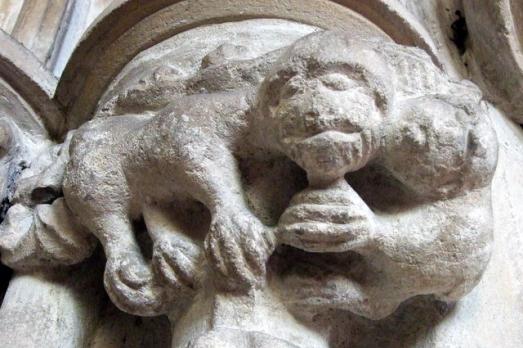
St Mary
Haverfordwest, Pembrokeshire | SA61 1NF
Set at the top of the tidal part of the Western Cleddau river, Haverfordwest was an important port in medieval times, and a key town in 'England beyond Wales'.
Search for a fascinating place to visit, or see the variety of churches, chapels and meeting houses we have supported.
Haverfordwest, Pembrokeshire | SA61 1NF
Set at the top of the tidal part of the Western Cleddau river, Haverfordwest was an important port in medieval times, and a key town in 'England beyond Wales'.
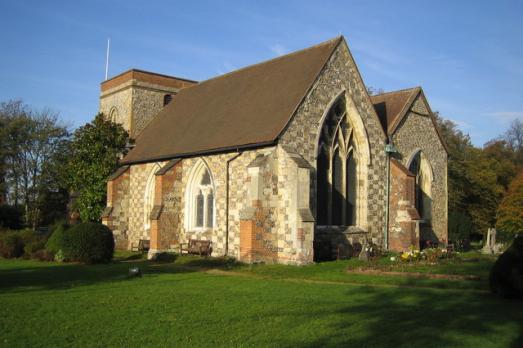
Abbots Langley, Hertfordshire | WD5 0AS
This church was built in 1154AD to extend an old Saxon church and is central to the village of Abbots Langley.
We have supported this church
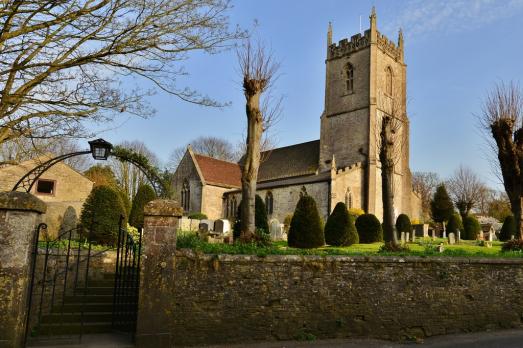
Nunney, Somerset | BA11 4LW
In the heart of the Somerset village of Nunney, within 200m of Nunney Castle, the village is at the east end of the Mendip Hills.
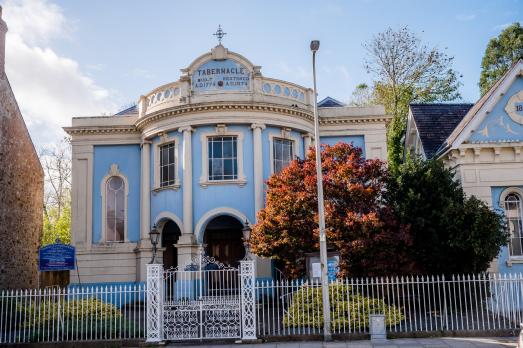
Haverfordwest, Pembrokeshire | SA61 2ST
Tabernacle Chapel was built in 1774, and is known as one of the outstanding buildings of the region.
Burnham Overy, Norfolk | PE31 8HX
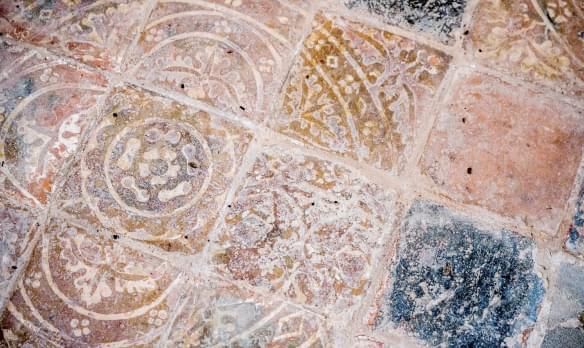
St Clement's is the most distinctive of all the Burnham churches with its large, square, Norman tower and chancel and nave at either side.
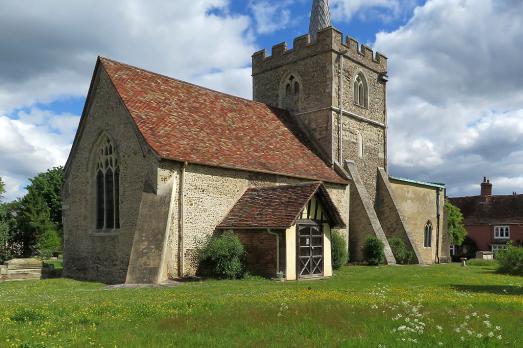
Duxford, Cambridgeshire | CB22 4RG
A heavenly church with Templar links.
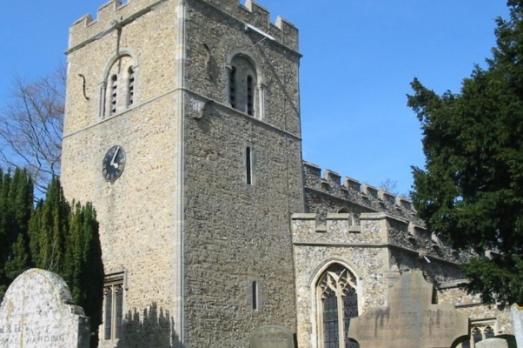
DuxfordDuxford, Cambridgeshire | CB22 4RJ
A lovely flint and fieldstone village church with Norman roots.
Wargrave, Berkshire | RG10 8EU
The church of St Mary the Virgin is located in the heart of the large village of Wargrave on Thames, and is beautifully situated beside Mill Green.
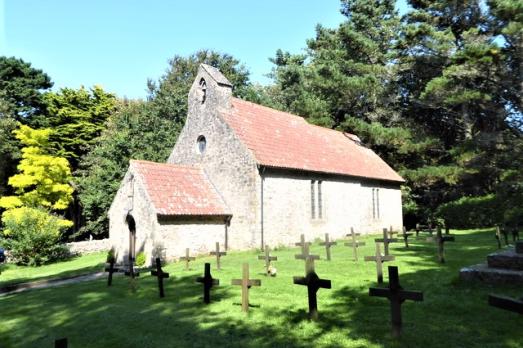
Caldey Island, Pembrokeshire | SA70 7UJ
This is the parish church of little Caldey Island, where both islanders and monks are buried, their graves marked by wooden crosses.
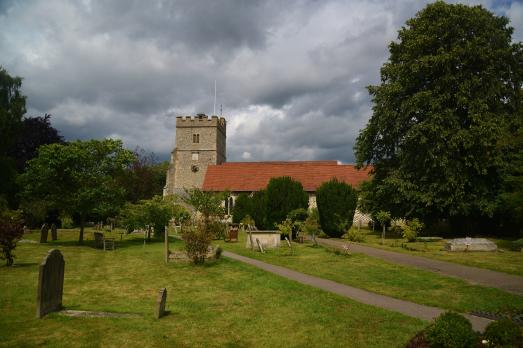
Cookham, Berkshire | SL6 9SP
Ancient village church with a thriving local congregation and community.
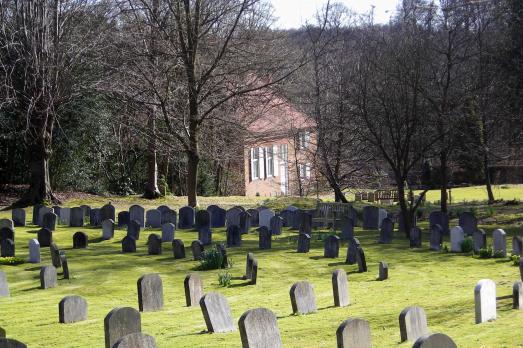
Jordans, Buckinghamshire | HP9 2SN
Standing in a beautiful valley deep in the Chilterns, this Quaker meeting house dates from 1688 and was one of the first to be purpose built.
We have supported this church
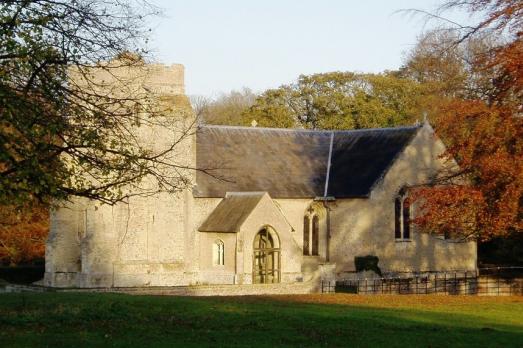
Landwade, Suffolk | CB8 7NF
The church of St Nicholas is privately owned and falls in the grounds of Landwade Hall.