
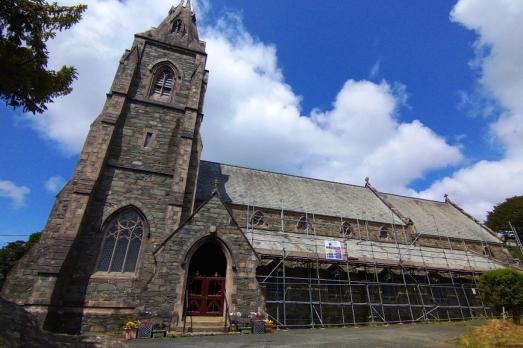
Christ Church
Glanogwen, Gwynedd | LL57 3NL
A substantial Victorian parish church of 1856 of set within the slate landscape of northWwst Wales UNESCO World Heritage Site.
Search for a fascinating place to visit, or see the variety of churches, chapels and meeting houses we have supported.
Glanogwen, Gwynedd | LL57 3NL
A substantial Victorian parish church of 1856 of set within the slate landscape of northWwst Wales UNESCO World Heritage Site.
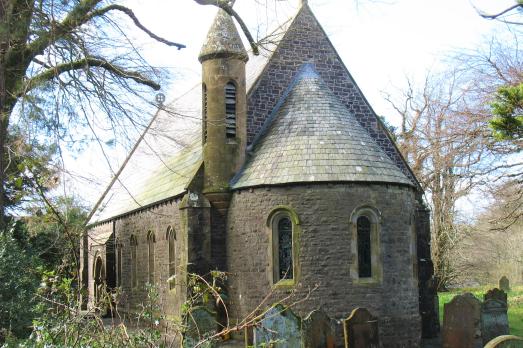
Ennerdale Bridge, Cumbria | CA23 3AR
Located within the Lake District National Park, first stop on the popular Coast to Coast walk, St Mary’s is beside the River Ehen, close to the two pubs and a tearoom and shop; the old churchyard has associations with William Wordsworth.
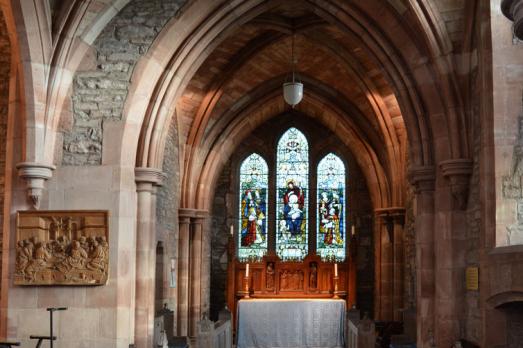
Brecon, Powys | LD3 9DP
The Cathedral welcomes everyone who passes through, if you are visiting as a tourist, come to offer your personal prayers and light a candle, or interested in history, architecture or stained glass windows.
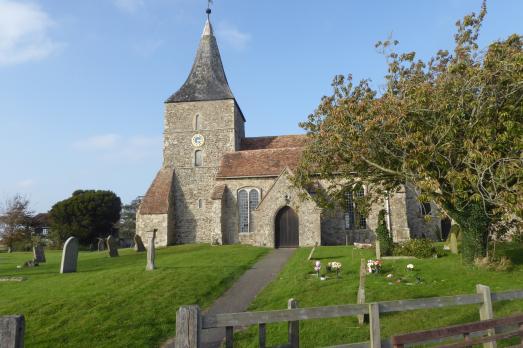
St Mary in the Marsh, Kent | TN29 0DG
Set in a part of the marshes that remains largely agricultural, St Mary's was originally built in the first half of the 12th century.
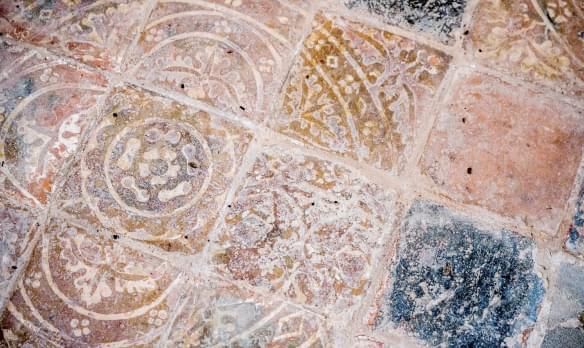
Crosby on Eden, Cumbria | CA6 4QP
Built to the architect Billings unique design in 1854, our church has many beautiful features.
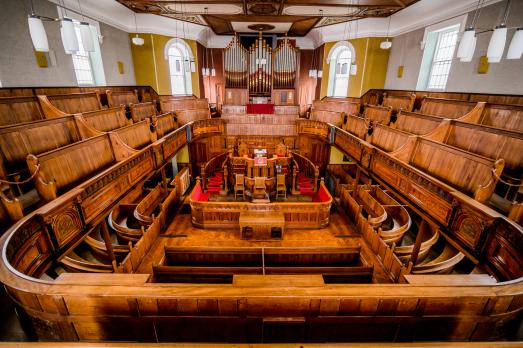
Brecon, Powys | LD3 7AU
The first chapel on this site was a meeting room in a building also used as a pub called The Plough, which stood here in the 17th century.
Rothbury, Northumberland | NE65 7TL
An ancient and interesting church, full of historical information, a quite peaceful sanctuary.
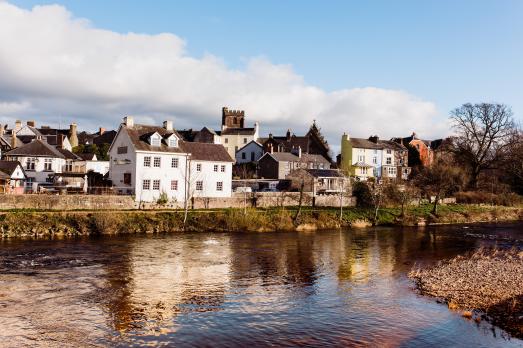
Brecon, Powys | LD3 7AA
St Mary's has occupied this site for over 900 years, although we are uncertain of the date of consecration.
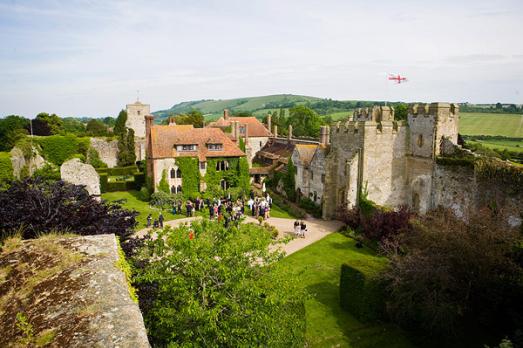
Amberley, Sussex | BN18 9NF
Overlooking the wetland nature reserve of Amberley Wild Brooks, St Michael's is itself overlooked by the scarp slope of the South Downs.
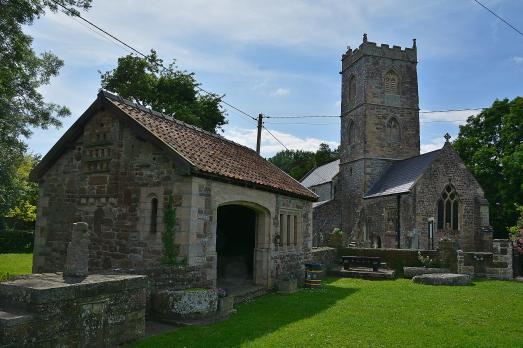
Redwick, Monmouthshire | NP26 3DE
Historic Grade I rural church on the Gwent Levels.
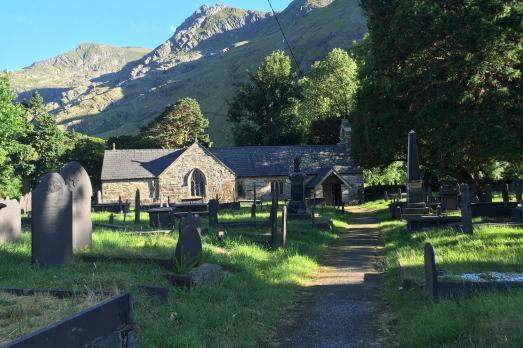
Nant Peris, Gwynedd | LL55 4UE
Founded by St Peris in the 6th century, with Snowdon and its neighbouring mountains towering above it on all sides.
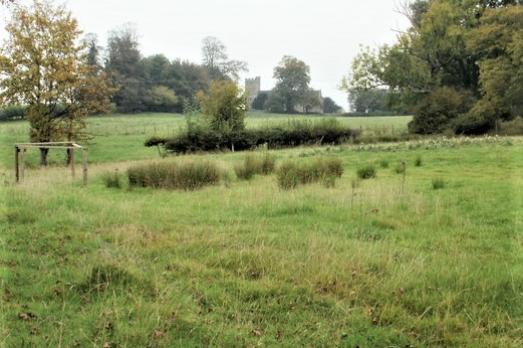
Llanfrechfa, Monmouthshire | NP44 8AD
Stands in an isolated position on a very ancient site.